Calgary Top Hardscaping Services for Stylish and Functional Yards
Calgary Top Hardscaping Services for Stylish and Functional Yards
Blog Article
Redesign Your Outdoor Setting With Qualified Landscaping Solutions
Improving exterior areas via professional landscaping services can dramatically improve both visual charm and functional value. Seasoned landscape professionals assess specific grounds, adjusting designs to suit particular weather conditions and ground makeup. They incorporate a combination of plants and hardscaping elements to fashion stunning exterior spaces. This well-considered approach boosts home value and cuts maintenance costs. Understanding the key components of quality landscape design is necessary for property owners endeavoring to optimize their exterior lifestyle. What measures should they follow up with?
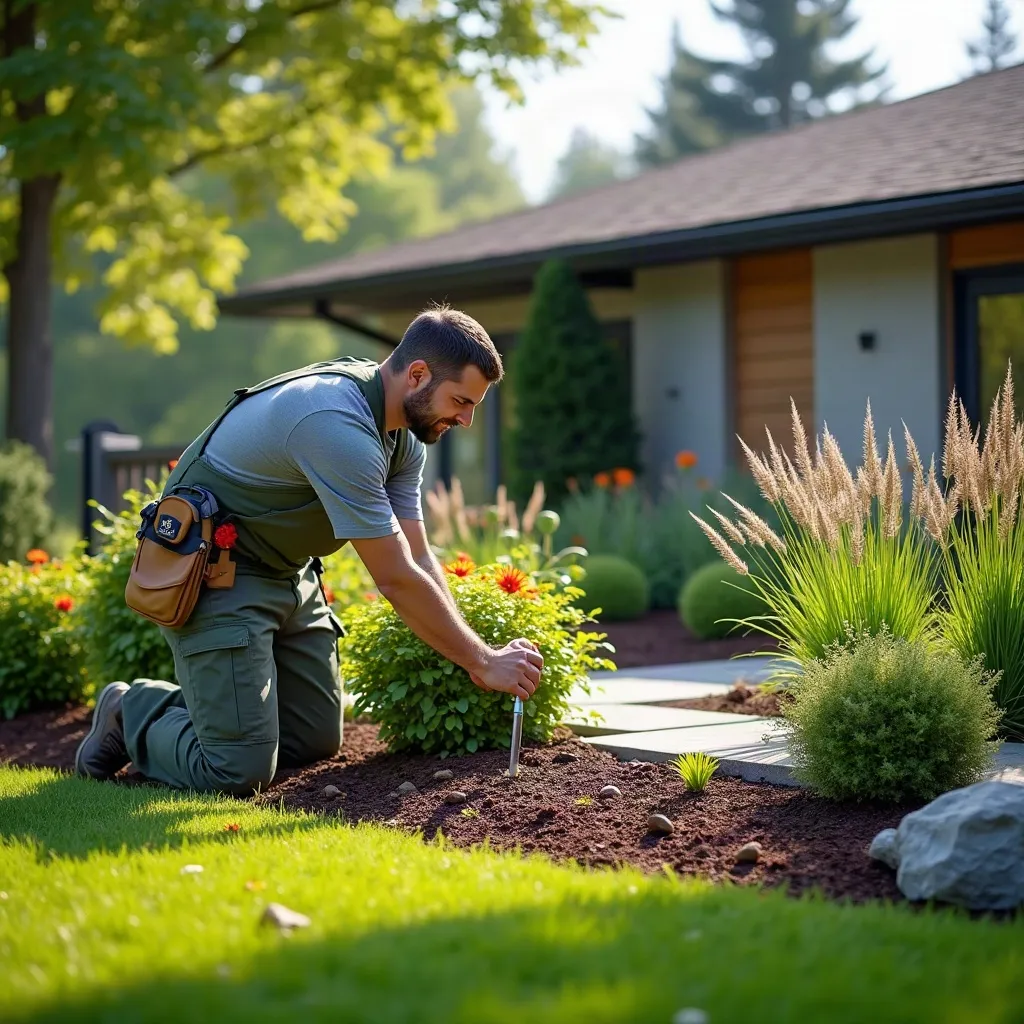
The Benefits of Professional Landscaping Services
Professional landscape design solutions convert outdoor spaces into functional and aesthetically pleasing environments. These services offer a range of benefits that extend beyond mere appearance. One important benefit is the enhancement of property value; expertly crafted outdoor designs can significantly increase a home's market appeal. Additionally, professional landscapers possess the expertise to select appropriate plants and materials tailored to specific climates and soil types, guaranteeing sustainability and longevity.
Furthermore, these offerings can strengthen outdoor functionality, crafting spaces for relaxation, fun, or recreation. By methodically designing layouts, landscaping professionals optimize the use of space while incorporating elements like pathways, outdoor floors, and green spaces.
Furthermore, contracting specialists can save homeowners time and effort, easing the burden of planning and maintenance. This permits individuals to relish their garden areas without the tension of constant upkeep. Ultimately, expert outdoor design establish atmospheres that enhance both the visual appeal and practical use of landscape spaces.
Essential Elements for a Effective Landscape Design
A prosperous landscape design is characterized by multiple important elements that add to both practicality and aesthetic beauty. First, a carefully planned layout maximizes space, ensuring ease of movement while establishing distinct areas for leisure and social gatherings. Second, the incorporation of hardscaping elements, such as pathways, patios, and retaining walls, adds structure and longevity to the design. Third, proper drainage systems are essential to avoid water buildup and protect plant health.
Additionally, the use of focal points, like sculptures or water features, captures the eye and enhances visual appeal. Lighting plays an important role as well, illuminating pathways and highlighting key garden features, thereby extending usability into the night time. Finally, a balanced plant selection, which considers seasonal changes, enhances ecological diversity and sustains local wildlife. Together, these features create a cohesive and inviting outdoor space that reflects the homeowner's personality while meeting functional requirements.
How can property owners choose the ideal plants for their yards? First, understanding the local climate is vital; plants should grow well in the exact temperature and rainfall conditions of the area. Next, examining sunlight exposure helps figure out whether to opt for shade-loving or sun-loving varieties. Soil type also plays a significant role; testing soil pH and texture guarantees compatibility with selected plants.
Homeowners should examine the yard's proportions and structure, deciding on plants that coordinate with the space without cluttering it. Additionally, selecting region-specific flora can advance local species diversity while demanding less maintenance.
Finally, considering personal tastes—such as color, feel, and seasonal appeal—will help create a aesthetically pleasing landscape. A well-thought-out combination of these factors ultimately results in a lively and balanced outdoor space that showcases the homeowner's aesthetic while being eco-friendly and easy to maintain.
Boosting Functionality With Hard Landscaping
Hardscaping plays a crucial role in improving outdoor living spaces by providing practical zones for leisure and social gathering. It also facilitates the creation of pathways and patios, directing foot traffic and adding structure to the landscape. Additionally, effective hardscaping can enhance water management and minimize soil degradation, contributing to the overall health of the yard.
Enhancing External Living Spaces
Transforming exterior living areas greatly enhances their functionality, forming inviting areas for rest and entertainment. Effective landscape features, such as retaining walls, outdoor kitchens, and fire pits, can greatly enhance these spaces. By incorporating durable materials like stone, brick, or pavers, homeowners can achieve a balanced aesthetic that blends with nature while providing functional advantages. These features not only define areas for social gatherings but also improve ease of access and organization within the outdoor environment. Moreover, strategically placed seating arrangements can foster conversation and create a cozy atmosphere. Ultimately, a thoughtfully planned outdoor living space maximizes enjoyment, blending comfort with utility, making it an vital aspect of modern home landscaping.
Creating Pathways And Patios
A selection of carefully planned pathways and patios can greatly improve yard practicality and visual appeal. These hardscape features serve as essential connectors between various sections of a yard, delivering distinct navigation while creating spaces for rest and entertainment. Patio spaces form inviting areas for exterior gatherings, designed to hold seating and social entertaining. Walkways, crafted from options like stone, brick, or concrete, direct people flow but also contribute to the complete style of the landscape. Incorporating arcs and varied widths can add visual character, rendering the yard more appealing. When installed professionally, walkways and patio spaces seamlessly integrate with the natural world, boosting both practicality and visual beauty in any external environment.
Optimizing Drainage And Erosion
Enhancing outdoor spaces extends past aesthetics; it also involves tackling practical concerns like drainage and erosion. Effective landscaping integrates hardscaping elements such as retaining walls, gravel pathways, and permeable pavements, which help manage water flow and minimize soil erosion. By strategically placing these features, homeowners can redirect surplus rainwater away from vulnerable areas, protecting both plants and structures.
In addition, integrating French drains or swales can markedly enhance drainage by directing water to target zones. These strategies not only avert damage but also strengthen the overall effectiveness and longevity of the landscape. Ultimately, experienced landscaping firms convey knowledge in implementing these hardscaping techniques, ensuring a balanced and resilient outdoor environment that withstands the challenges of nature.
Seasonal Maintenance Tips for Your Garden
Effective routine maintenance is critical for maintaining the charm and wellbeing of any garden. Homeowners should implement specific tasks throughout the year to ensure their outdoor spaces prosper. In the spring season, the concentration should be on cleaning up debris, aerating the soil, and applying fertilizer to encourage growth. Warm weather care involves consistent moisture, applying mulch, and cutting to promote healthy plant development while preventing disease.
As autumn unfolds, it's imperative to dispose of debris, arrange garden beds for winter, and establish perennials for coming years. Winter care could encompass protecting tender plants through mulch or fabric, maintaining proper drainage, and evaluating hardscapes for freeze damage. By observing these seasonal maintenance tips, individuals can fortify their outdoor spaces' endurance and aesthetic value, fostering a thriving outdoor space all year.
Important Queries to Ask When Selecting a Landscape Contractor?
When selecting a landscape service, what important questions should homeowners reflect on to guarantee they make a well-informed choice? Initially, they should ask about the firm's knowledge and experience in the specific landscaping type sought. Learning about their design philosophy and previous projects can supply valuable information.
Next, property owners should ask about licensing and insurance to confirm adherence to local codes and protection against possible legal issues. A comprehensive quote is essential, so asking for a cost itemization will prevent unexpected expenses.
Asking about the timeline for project completion and upkeep choices is also fundamental, as it affects long-term satisfaction. Additionally, homeowners should investigate the types of materials and plants the company uses, confirming they match individual preferences and eco-friendly practices. Finally, checking feedback and requesting recommendations can offer reassurance about the reliability and quality of the service.
Typical Questions People Ask Often
What Is the Average Cost of Expert Landscaping?
Landscaping work usually costs $50 to $150 per hour, subject to the complexity and scope of the project and location. Homeowners need to factor in extra expenses for materials, design consultation, and regular maintenance when planning your budget for landscaping services.
What is the standard timeframe for a landscaping project?
A landscaping job ranges from several weeks or possibly just a review article few days in timeframe, influenced by the scope of work, territory size, and design intricacy, with sizable projects taking longer for completion.
Can Landscaping Add Value to My Property?
Landscaping can considerably improve real estate value by upgrading visual appeal, establishing pleasant outdoor zones, and perfecting visual quality. Well-maintained planted spaces and deliberate layout often attract potential buyers, rendering residences in the real estate market.
Which Permits Do You Require for Landscaping Projects?
Landscaping undertakings often demand multiple permits, based on local requirements. Common permits encompass those for removing trees, structural additions, and modifying drainage. Homeowners should contact local authorities to ensure adherence with zoning laws and environmental guidelines.
How Do Climate Factors Affect Garden Selection?
Weather conditions greatly impact landscaping decisions, as rainfall, temperature, and sunlight determine plant selection, soil preparation, and maintenance methods. Tailoring designs to local climate guarantees longevity, growth, and overall aesthetic appeal in outdoor spaces.
Report this page